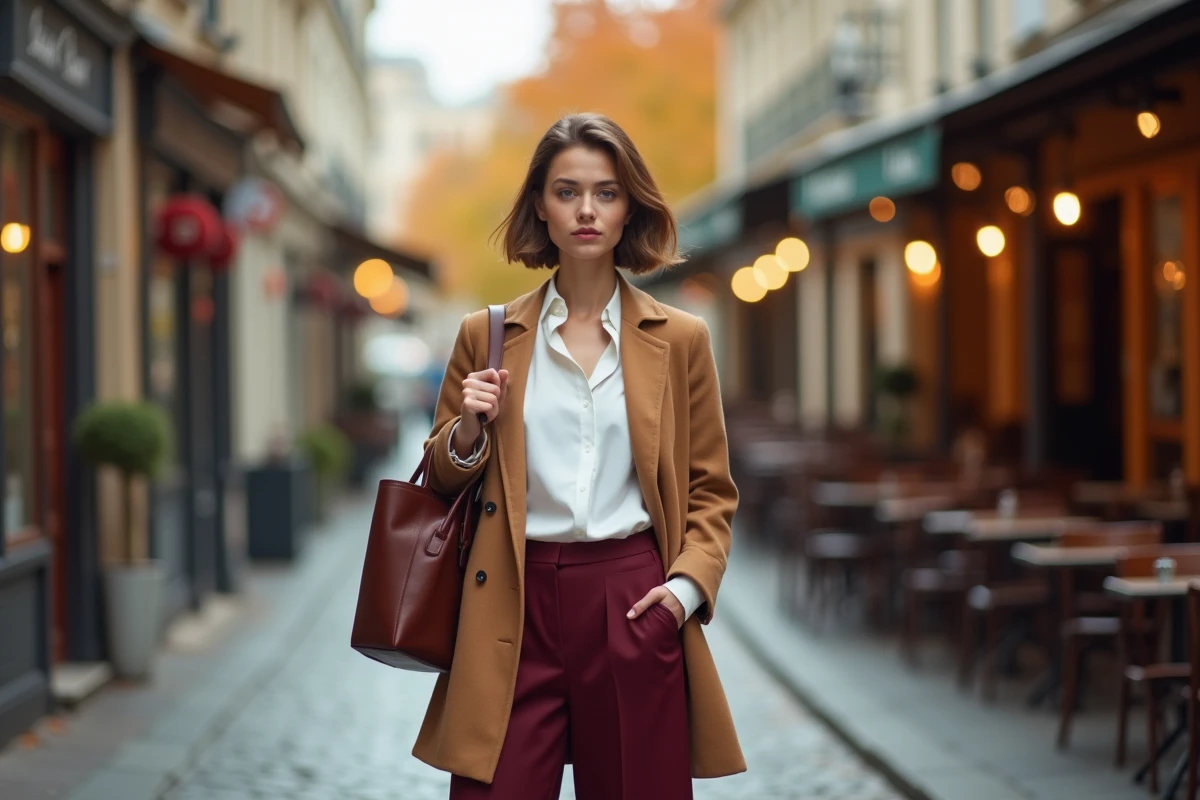
Which pieces come back season after season in wardrobes, and which ones are just passing trends? Women’s fashion trends renew with each collection, but not all deserve the same investment. Comparing their longevity, versatility, and style potential allows for building a coherent look without accumulating ephemeral purchases.
Longevity of Trendy Pieces: Comparison by Clothing Category
Some pieces last through several seasons, while others disappear by the next fall. The table below ranks the most cited categories in women’s fashion selections according to their average lifespan in wardrobes and their ability to fit into multiple looks.
| Category | Trend Lifespan | Versatility (number of looks) | Obsolescence Risk |
|---|---|---|---|
| Structured jacket (blazer, short trench) | Several seasons | High | Low |
| Long dress / slip dress | Several seasons | Medium to high | Low |
| Knee-length skirt | Variable depending on the cut | Medium | Moderate |
| Crop top | One to two seasons | Limited | High |
| Wide pants / barrel | Several seasons | High | Low |
| Statement accessories (colorful bag, XXL jewelry) | One season | Limited | Very high |
The jacket and wide pants dominate in versatility. They pair well with both office looks and weekend outfits. Pieces with strong visual identities, like the crop top or highly marked accessories, quickly lose their appeal.
Favoring categories with low obsolescence risk helps reduce wardrobe turnover without sacrificing style. The references available on valimero-fashion-addict.com illustrate this logic of sustainable selection around pieces that remain relevant from one season to the next.
Seasonal Colors and Fabrics: What Distinguishes Spring-Summer from Autumn-Winter
Color palettes are among the elements that vary the most from one season to another. Spring-summer highlights pastel tones, pink in all its variations, and butter yellow. Autumn-winter consistently returns to deep shades: burgundy, pine green, navy blue.
Pink remains the most transversal color of the latest spring-summer collections. It ranges from powdery to fuchsia, giving it a rare adaptability. A light shade works on a lightweight blouse, while a more saturated shade elevates a jacket or accessory.
Fabrics to Watch by Season
- Spring-summer: linen, airy cotton, fine knit. These fabrics allow for fluid silhouettes that accompany the currently dominant wide cuts.
- Autumn-winter: thick wool, corduroy, soft leather. Layering textures (an oversized sweater under a trench, for example) remains an underutilized style lever.
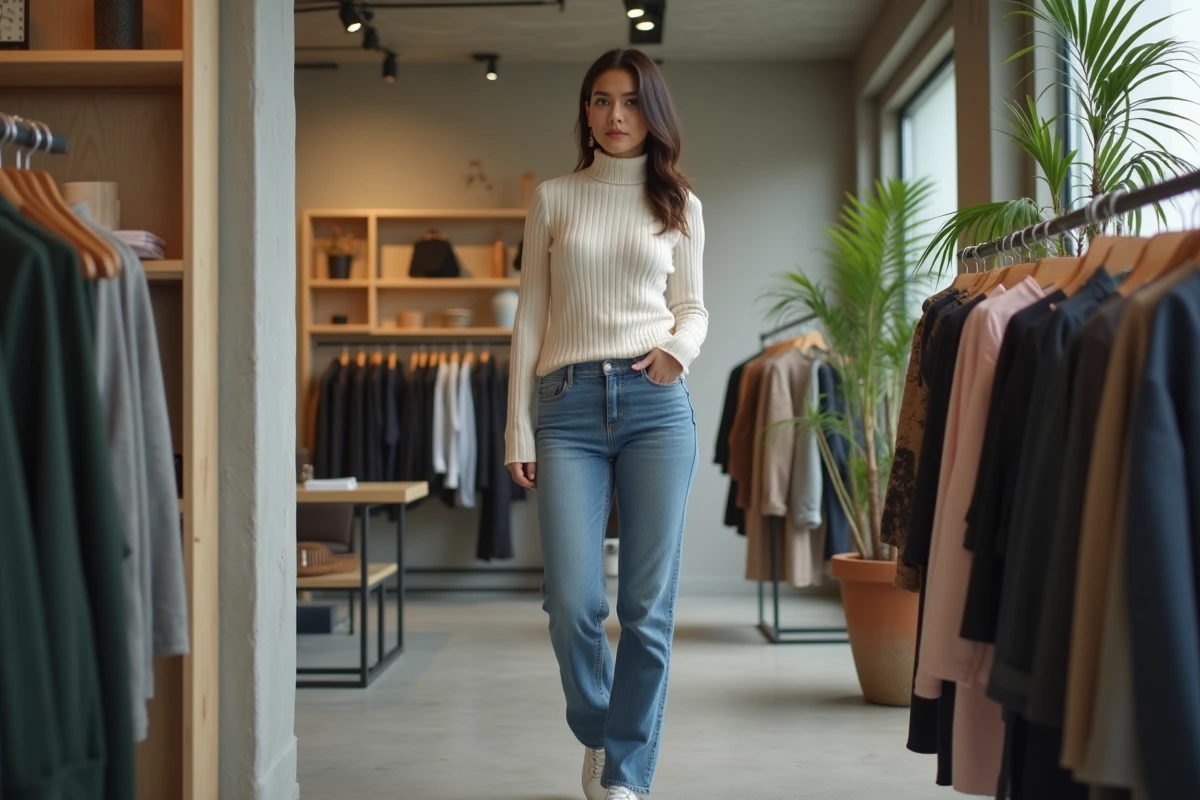
- Interseason: denim, regardless of the cut, plays a pivotal role. The barrel jean establishes itself as the most versatile cut to ensure the transition between the two wardrobes.
Choosing a fabric suited to the season changes the perception of the same cut. A wide linen pant does not have the same effect as a wide felted wool pant, even if the silhouette remains identical.
Building a Women’s Fashion Look: Combinations That Work Beyond Trends
Following trends is not enough if the pieces do not communicate with each other. A successful look relies on a balance of volume, color, and proportion, not on the accumulation of trendy pieces.
Volume Balance
The most reliable rule remains the opposition of volumes. A fitted top calls for a loose bottom, and vice versa. The oversized sweater, prevalent in spring-summer collections, works better with slim pants or a straight skirt than with another voluminous garment.
Conversely, a structured dress or a slip dress benefits from being worn without an overload of accessories. The simplicity of the top or bottom compensates for the complexity of the other piece.
Restricted Color Palette per Outfit
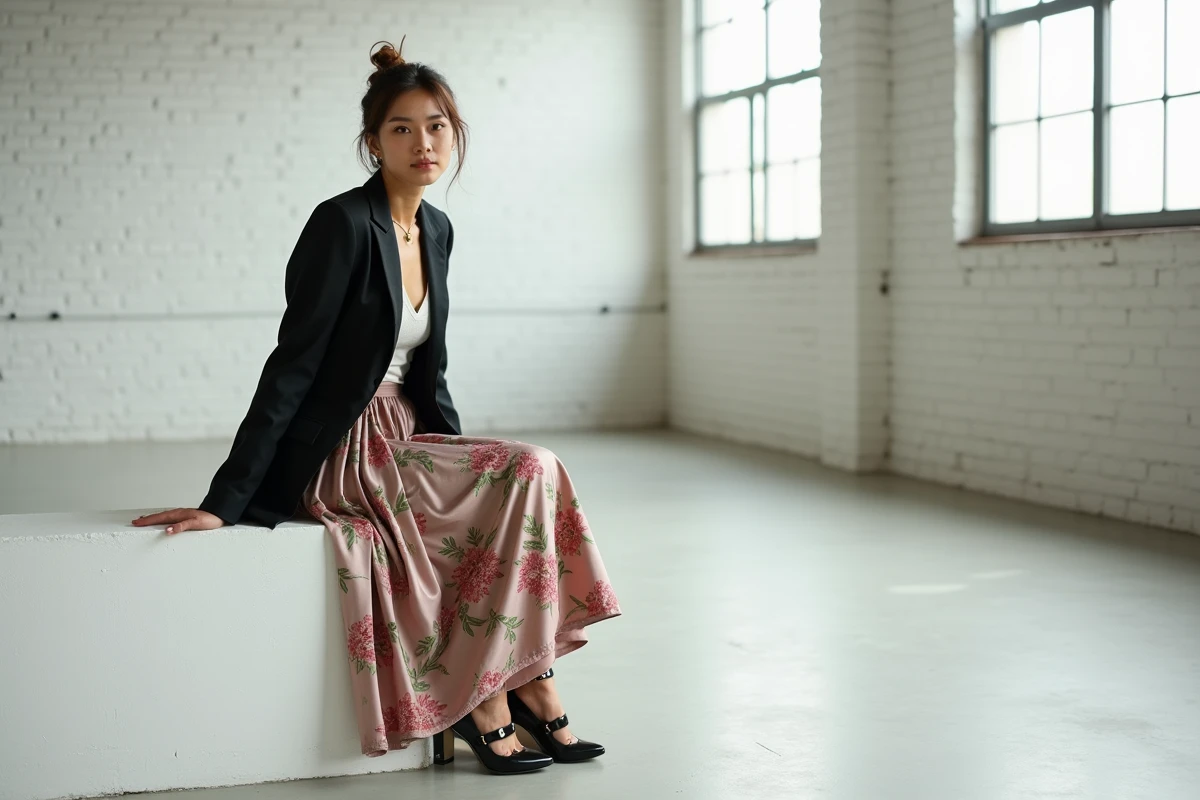
Three colors maximum per look is a guideline that limits mistakes. Neutral tones (beige, off-white, gray) serve as a base. A single colorful piece, whether an accessory or a garment, provides the focal point.
The beige pants, making a strong comeback in this season’s selections, illustrate this principle. Paired with a white top and a short colorful jacket, it forms a readable base that most body types can adopt.
High Turnover Women’s Fashion Trends: Should You Invest or Hold Back?
Not all trendy pieces justify the same budget. High turnover categories, those that change radically each season, deserve a limited investment. Structuring pieces that span collections can support a higher budget.
- High turnover pieces (limited budget recommended): crop tops, very colorful accessories, strongly marked seasonal prints, ultra-specific shapes like bloomers or harem pants.
- Structuring pieces (sustainable investment): well-cut blazer, trench coat, simple and versatile dress, quality jeans (barrel or straight).
- Intermediate pieces (to be decided based on personal style): knee-length skirt, short colorful jacket, oversized sweater. Their lifespan depends more on the chosen cut than on the trend itself.
This framework allows for composing a wardrobe where women’s fashion trends integrate without disrupting the budget. It is better to have a quality jacket worn for three seasons than a trendy accessory forgotten after a few weeks.
Fashion works in cycles. The most versatile pieces always return in one form or another. Building a wardrobe around these recurrences, then adjusting with one or two seasonal pieces, remains the most effective strategy for maintaining a polished look without constant renewal.