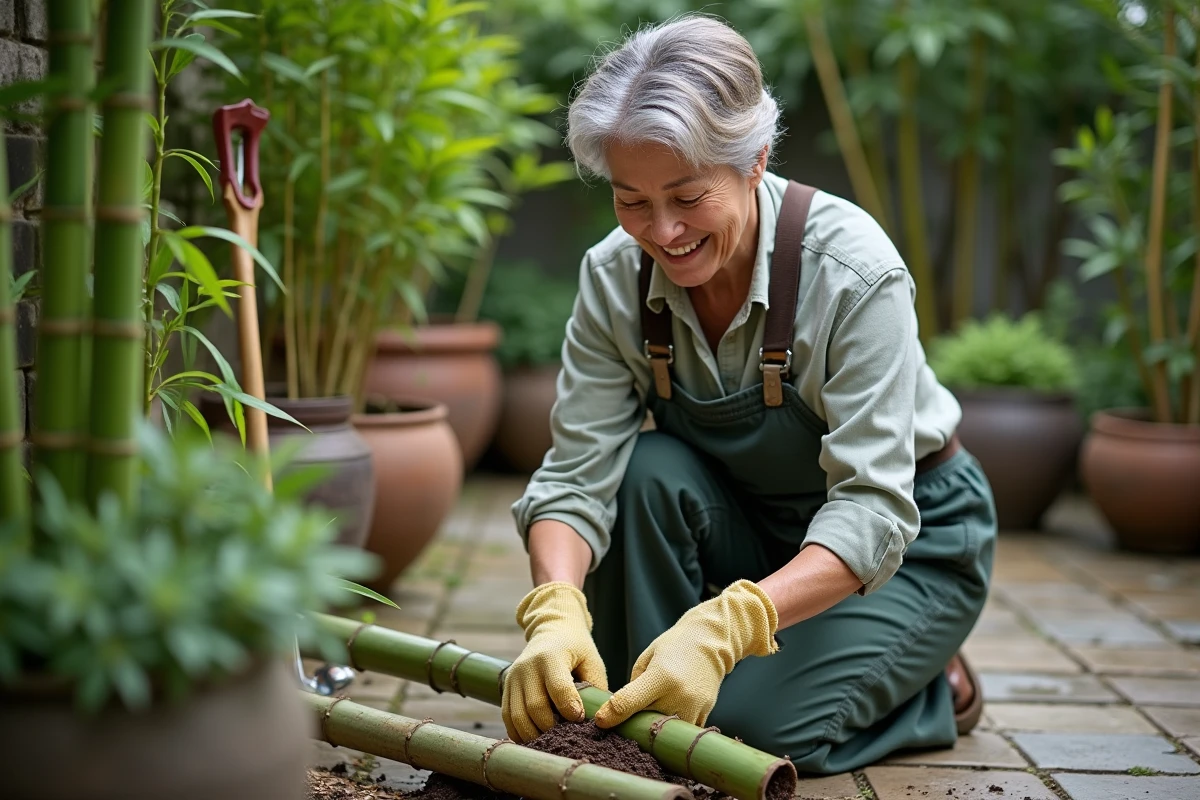
The multiplication of non-running bamboos often escapes the classic methods used for other varieties. Unlike running species, clump division does not always guarantee rapid rooting or vigorous growth. Some mistakes, particularly during harvesting or rooting, can permanently compromise recovery.
Some techniques, although proven, remain unknown or poorly applied by amateurs. Success depends on the rigorous observation of the growth cycle, the choice of plant material, and controlled growing conditions. Understanding these parameters helps avoid failures and optimize multiplication at home.
Understanding the specificities of non-running bamboos and their interest in the garden
The Poaceae family sometimes holds surprises, and bamboo is a perfect example. Behind this name are two distinct families: running bamboos that take their space, and non-running bamboos that know how to behave. Forget about the unruly rhizomes that overflow in running types: non-running bamboos, like fargesia, opt for a more restrained growth, ideal for a graphic hedge or a well-controlled flowerbed.
Their reasoned behavior simplifies the lives of gardeners. No chore of anti-rhizome barriers, nor fear of the garden bamboo encroaching on neighboring beds. Phyllostachys nigra, the famous black bamboo, or fargesia for a green screen, perfectly meet the needs of those who want to protect their privacy without complications. Understanding the particularities of each species ensures the long-term success of the planting.
The multiplication of these grasses requires method and precision. There are several techniques for multiplying bamboo: clump division, cuttings… but each action must respect the physiology of the rhizome and its rhythm. Observing the root development, selecting a robust mother plant: these steps are crucial. To successfully establish non-running bamboo, the choice of method influences the vigor of the young plants and the balance of the flowerbed.
What methods should be prioritized for effectively multiplying your non-running bamboos?
To successfully multiply bamboo at home, it is better to rely on the plant’s natural cycle. For non-running bamboos, clump division remains the sure bet. This technique involves extracting, using a clean pair of secateurs, a fragment of clump bearing two or three young shoots and a piece of rhizome with roots. The division should be replanted without delay in a light substrate, mixing garden soil, mature compost, and coarse sand.
Another option is rhizome cuttings. The principle? Take a healthy section of rhizome with a dormant bud and place it horizontally in a pot or in the ground, under a thin layer of moist potting soil. Patience is required: recovery generally only occurs with the return of spring, when the soil warms up.
Bamboo seed sowing is intriguing, but seeds are rare due to sporadic flowering. As for stem or culm cuttings, they yield very variable results and are rarely practiced for non-running species. In any case, a healthy mother plant makes a difference. Be careful to avoid deep injuries during all handling.
To promote recovery, a few actions should be prioritized: keep the substrate slightly moist, place young plants out of direct sunlight, and ensure a stable temperature. The success of multiplication depends on the ability to observe and adjust care, as each bamboo has its preferences and its own pace.
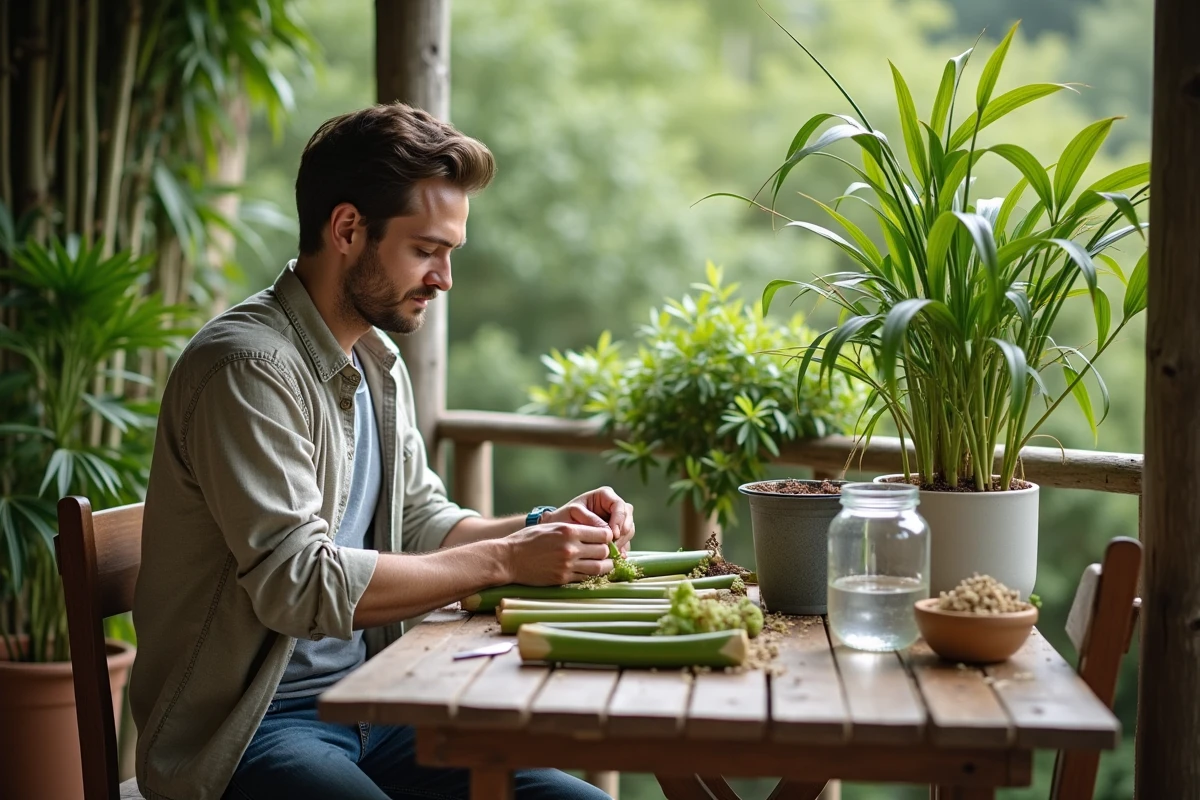
Practical tips and sustainable actions to support the growth of your new shoots
To start off on the right foot, attention must be paid to the quality of the substrate. Choose well-aerated soil enriched with mature compost: a mix of potting soil, coarse sand, and compost promotes rooting. Avoid compact soils, which are real obstacles for rhizomes and traps for young roots.
Watering requires balance: the soil should remain cool, never becoming waterlogged. Use a watering can with a fine rose to gently water around the new shoots. In summer, be vigilant: if the foliage shows signs of thirst, react promptly, but keep a light touch.
To assist you, here are the key points to respect in the daily care of young bamboos:
- Place young plants in indirect light, protected from the hottest hours.
- Give a boost with a handful of organic fertilizer in spring and autumn to support their development.
- Regularly check that the plant remains stable, and do not hesitate to remove weak stems with clean secateurs.
To ensure good development, ban chemical products: no herbicides or synthetic amendments. Favor organic mulching: dead leaves or wood chips help retain moisture and enrich the soil naturally. These simple actions ensure that your bamboos for hedges or flowerbeds grow robustly and sustainably, while establishing a true living dynamic in the garden.
Time will do its work: year after year, the clumps will thicken, creating a decor that is both calming and structured. All that remains is to observe, support, and savor the silent transformation of the garden.