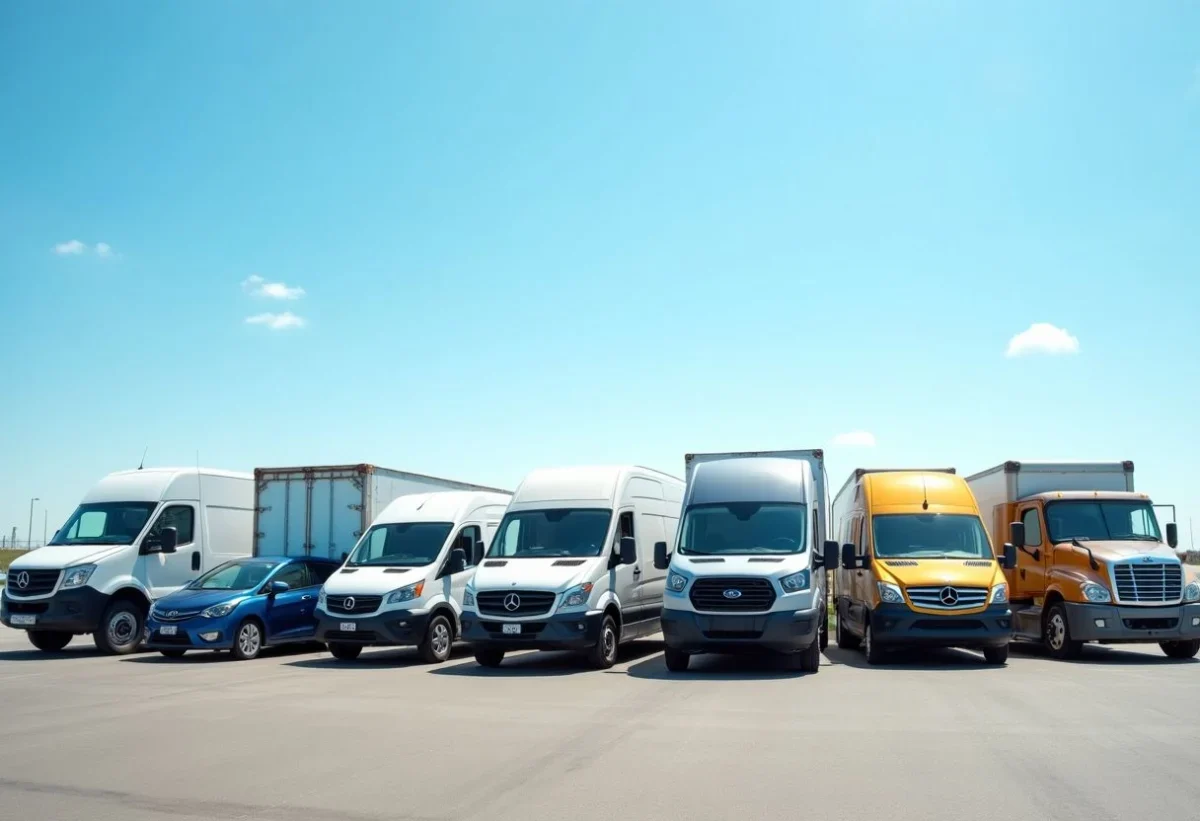
Effectively managing a fleet of vehicles is a significant challenge for many companies. With the rise of global trade and the increasing importance of logistics networks, optimized fleet management has become an essential pillar for ensuring competitiveness and profitability. Managers must juggle a complex set of variables, ranging from vehicle maintenance to regulatory compliance, while maximizing efficiency and minimizing costs. This complex discipline requires not only technical skills but also a strategic vision to anticipate and respond to the changing needs of the market.
Contemporary Challenges in Fleet Management
Modern companies face several obstacles when it comes to managing their fleets effectively. Understanding these challenges is the first step toward resolving them.
The issue of preventive maintenance arises sharply. Unexpected breakdowns can lead not only to additional costs but also to delays that harm the company’s reputation. Regular and planned maintenance allows for anticipating these problems and keeping a functional fleet.
Next, regulatory compliance is another major challenge. Laws and regulations are constantly evolving, and it is imperative that each vehicle meets current standards. This requires constant monitoring and rapid adaptation to avoid penalties.
Managing energy costs also represents a significant issue. With the volatility of fuel prices, companies must consider innovative solutions, such as the use of electric or hybrid vehicles, to reduce their dependence on fossil fuels.
Optimization Strategies for Effective Fleet Management
To overcome these challenges, companies must adopt modern and innovative strategies.
- Adopt technological tools: Fleet management software provides a real-time overview of the status of each vehicle, thus facilitating planning and decision-making.
- Train staff: Ongoing training for drivers and fleet managers contributes to more efficient resource use and reduces accident risks.
- Analyze data: Data analysis is a powerful lever. By monitoring fuel consumption trends and vehicle performance, companies can identify areas for improvement and implement corrective measures.
The Benefits of Optimized Management for the Company
Implementing these strategies offers tangible benefits that go well beyond cost reduction.
Improvement of operational efficiency: Optimized fleet management reduces vehicle downtime, improves route planning, and increases overall productivity.
- Strengthening sustainability: By prioritizing eco-friendly vehicles and reducing fuel consumption, companies can lower their carbon footprint.
- Enhancing brand image: Modern customers are increasingly sensitive to sustainable practices. A well-managed fleet enhances the positive perception of a company that cares about the environment.
The Future of Fleet Management: Towards Increased Digitalization
In the digital age, fleet management is undergoing a radical transformation. Current trends indicate a growing digitalization of the sector.
The use of artificial intelligence and machine learning allows for anticipating breakdowns and optimizing routes. These technologies provide accurate predictions and pave the way for more proactive and less reactive management.
Moreover, telematics plays a key role. With real-time data, managers can track the exact location of vehicles, monitor driving behavior, and quickly identify inefficiencies.