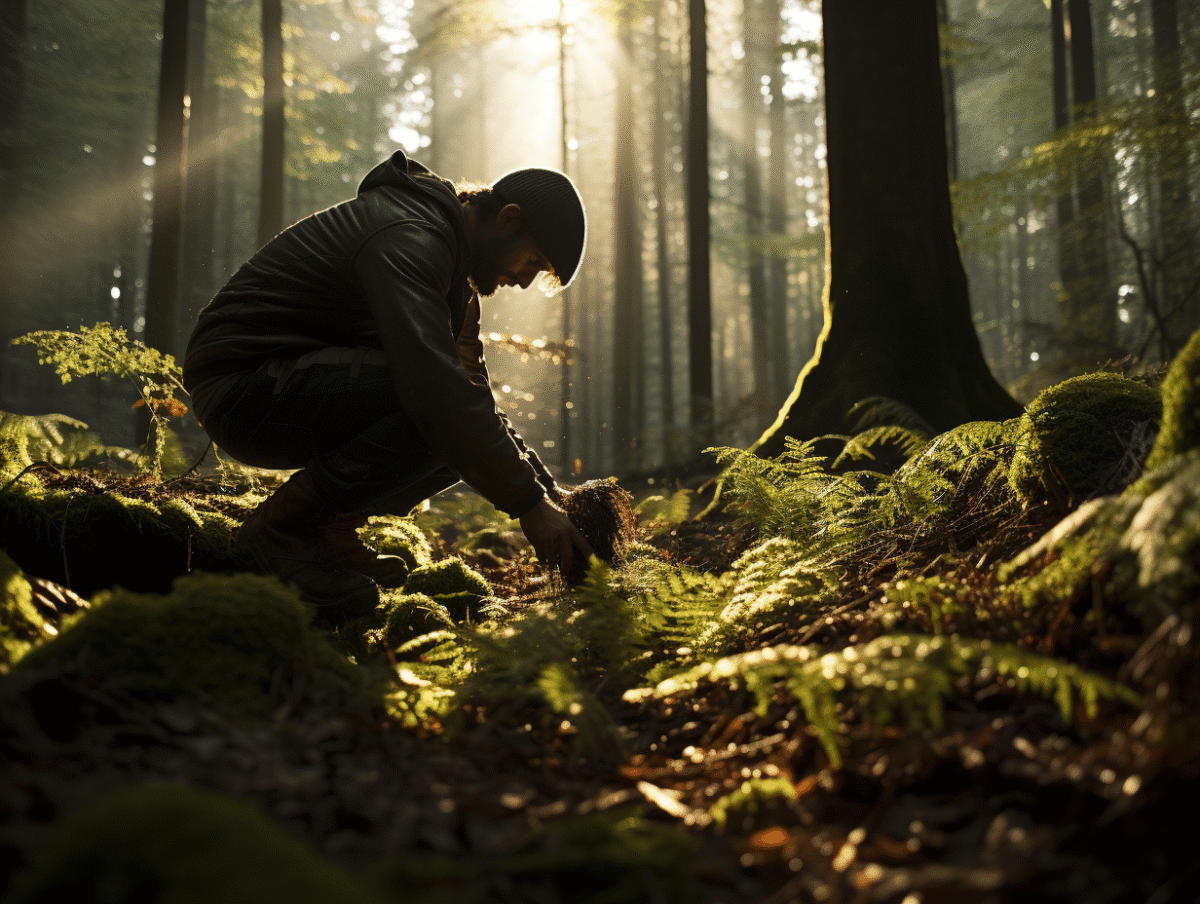
As spring arrives, forests and undergrowth become the playground for mushroom enthusiasts and wild food lovers, drawn by the quest for morels. These prized mushrooms are distinguished by their unique taste and their particular honeycomb shape. Their collection requires specific know-how and an environmentally respectful approach. Proven techniques maximize the chances of success while preserving the forest ecosystem. These tips and tricks aim to equip foragers for fruitful outings while ensuring the sustainability of this ancestral practice.
The secrets to a successful morel harvest
The art of morel picking resembles a treasure hunt where knowledge of the ecosystem plays a crucial role. The harvest season, extending from late March to June, provides the ideal timeframe for this activity. Understanding the specifics of the terrain is equally fundamental: cool, moist, and calcareous soils are particularly conducive to the growth of morels.
As you venture into the underbrush, keep in mind these 5 tips for finding morels: the presence of certain tree species like ashes or elms, areas recently disturbed by human or natural interventions, forest edges, north-facing slopes, and soils rich in organic matter. These clues serve as the compass for seasoned foragers, allowing them to decipher the silent language of the forest.
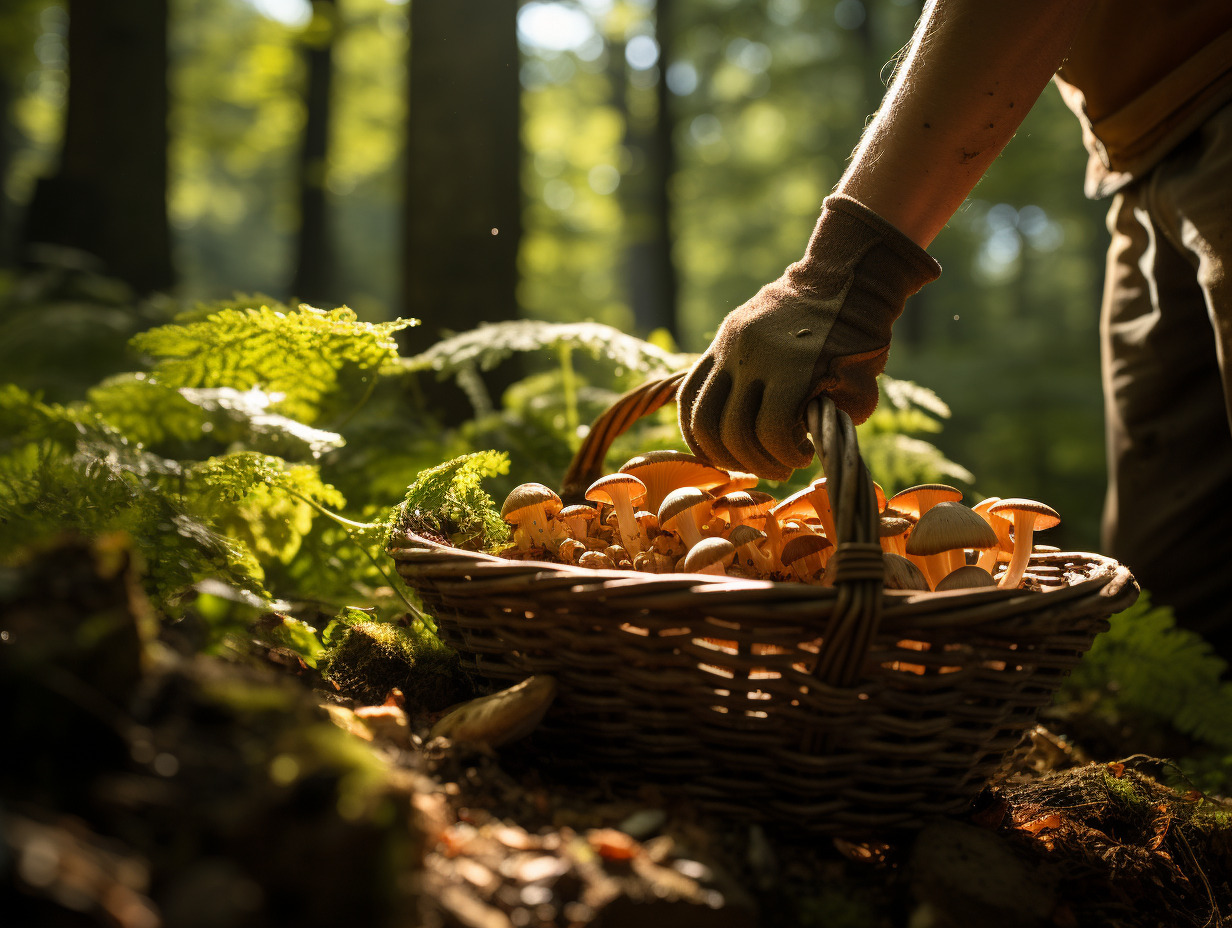
With equipment in hand, a suitable knife, and a wicker basket to allow for optimal ventilation, each forager must exercise discernment. Gently cut the cap and stem of the morel, thus avoiding damage to the mycelium, ensuring regrowth for future seasons. This gesture, both technical and respectful, is a testament to the symbiosis between humans and nature.
The distinction between morels and other species of edible or toxic mushrooms is a vital skill. The conical and honeycomb shape of the morel is characteristic, but constant vigilance is required to avoid confusion with poisonous varieties. Remember that the morel is toxic when raw and must be thoroughly cooked to destroy the toxins it contains. The identification of edible species must be conducted with scientific rigor and a keen sense of observation.
Preserving morels and their environment: best practices
The collection of morels, beyond a simple harvest, engages the responsibility of foragers towards the fragility of ecosystems. Preserving the fungal population involves not over-harvesting. Indeed, leaving some morels in place ensures the dispersal of spores and the longevity of the species. Remember, harvesting should be viewed as a balanced interaction with nature, not as exploitation without consequence.
The same goes for respecting the terrain: the degradation of natural habitats, often unknown or ignored, can lead to a decline in morel populations. Avoid trampling the underbrush unnecessarily and disturbing the layer of dead leaves and organic matter that constitutes the growth bed for mushrooms. By adopting a conscious approach, each step in the forest can contribute to the conservation of these favorable grounds.
The collection of morels also involves using suitable materials. A wicker basket is recommended not only for its ability to keep mushrooms intact but also to allow spores to disperse while walking. Each forager becomes, perhaps unknowingly, a sower of morels for future generations.
Preservation also comes through education and sharing knowledge. Inform yourself and train other foragers in sustainable practices. The distinction between edible mushrooms and toxic ones must be mastered to avoid potentially fatal mistakes. The transmission of this art, imbued with science and caution, is essential for the safety and sustainability of the foraging activity.